There are few places on earth where luxury and raw wilderness feel so effortlessly intertwined as at Singita Kwitonda Lodge. Set on the edge of Volcanoes National Park, the lodge is a privileged base for one of travel’s most humbling encounters: trekking to see the endangered mountain gorillas. Here, floor-to-ceiling windows frame mist-draped volcanoes, fireplaces glow against the cool highland air, and every detail—from your pre-trek wake-up to a restorative soak afterward—has been designed to make your time in Rwanda as seamless as it is unforgettable. This is safari opulence with a conscience: refined, warm, and deeply connected to the land and its people.
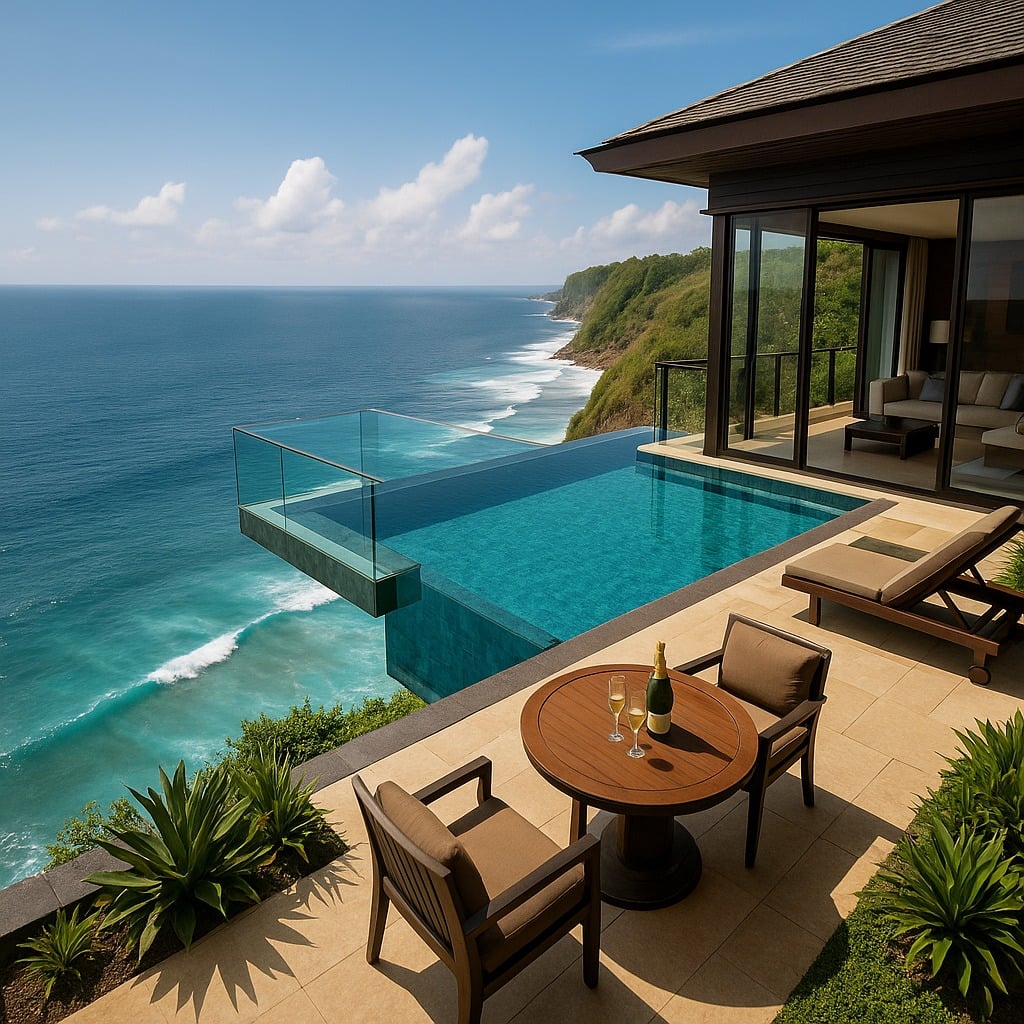
A front-row seat to Rwanda’s volcanic highlands
Awakening to a silver wash of morning light, you’ll look out toward the serrated silhouettes of Sabyinyo and Gahinga and feel the quiet electricity of imminent discovery. Kwitonda’s expert team handles the fine print—permits, briefings, timings—so your energy is reserved for the trek itself. After a wholesome mountain breakfast, you set out with professional guides and trackers, weaving through bamboo forests while birdsong threads the air. The moment you meet a gorilla family—watching a silverback’s measured calm or a youngster’s clumsy playfulness—time loosens its grip. Back at the lodge, muddy boots are whisked away in the gear room, and a hot shower, a massage, and a fireside lunch let you savor the memory without distraction.
Design that honors place and elevates comfort
Kwitonda’s architecture marries volcanic stone, timber, and woven textures in a palette that mirrors the surrounding landscape. Interiors feel cocooning yet airy, with generous lounges, layered textiles, and tactile finishes that invite the hand to linger. Sustainability isn’t a slogan; it’s embedded. Reforestation and indigenous planting restore degraded farmland, while the on-site nursery and kitchen gardens supply seasonal produce for fine, unfussy cuisine—think hand-picked greens, fragrant broths, and Rwandan coffee desserts that warm the soul. You’ll notice the lodge’s light touch in everything from water stewardship to community partnerships, ensuring your stay contributes to a regenerative future.
Suite life in the clouds
Each suite is a private sanctuary, framed by panoramic glass and edged with outdoor terraces. Many include heated plunge pools and double-sided fireplaces that take the chill off mountain evenings. Thoughtful amenities—trekking gaiters, daypacks, rain shells—sit alongside soft robes and artisanal bath products, so you’re equally prepared for rainforest mud and bubble-bath bliss. When appetite returns, the dining team crafts courses that balance comfort and brightness: bright citrus-cured trout, wood-roasted vegetables, and rosemary-scented lamb, paired with a curated selection of African and international wines. As night falls, turn down the lights, draw the curtains, and let the lodge’s gentle quiet settle over you like a well-worn cashmere throw.
Kataza House: an exclusive-use haven
For families or private groups, the neighboring exclusive-use villa, Kataza House, elevates privacy to an art form. With multiple bedrooms, expansive living spaces, and dedicated staff (including a private chef and host), it’s tailor-made for slow mornings, celebratory dinners, and stargazing with a vintage in hand. Expect heated pools, outdoor fire bowls, and spaces designed for gathering and retreating in equal measure—your own secluded base camp for gorilla country.
Q&A + Nearby Luxury Recommendations
When is the best time to visit?
The drier months of June–September are popular for trekking thanks to clearer trails, though January–February also sees pleasant conditions. Shoulder seasons can mean fewer visitors and wonderfully moody mist.
What should I pack for gorilla trekking?
Sturdy waterproof boots, breathable layers, long trousers, a lightweight rain jacket, gardening gloves (for vines and nettles), and gaiters. The lodge can assist with gear like walking sticks and daypacks.
Is it suitable for families?
Absolutely—though note the minimum age for gorilla trekking is typically 15. Younger guests can enjoy guided nature walks, cooking classes, and conservation activities around the lodge.
How long should I stay?
Three to four nights allow for at least one gorilla trek (ideally two), time to unwind, and a day to explore cultural experiences or golden monkey tracking.
Are there other exceptional places to pair with Kwitonda?
- One&Only Gorilla’s Nest (Rwanda): Contemporary forest-chic with dramatic views and top-tier wellness.
- Wilderness Bisate Lodge (Rwanda): Iconic forest “nest” villas combining conservation leadership with haute cuisine.
- Sabyinyo Silverback Lodge (Rwanda): Classic, intimate base with old-world charm near park headquarters.
- Magashi Camp (Akagera, Rwanda): A contrasting savannah and lake safari—think lions, elephants, and sunset boat safaris.
- The Retreat by Heaven (Kigali): Ideal first or last night, with excellent dining and a serene spa.
How does my stay support conservation?
Your permits and lodge stay help fund gorilla protection, habitat restoration, and community programs, creating a virtuous circle between tourism and long-term preservation.
Conclusion
Staying at Singita Kwitonda Lodge is to inhabit the sweet spot between awe and ease: a place where the world’s most stirring wildlife experience unfolds by day, and soft-lit comfort welcomes you home by night. The exclusivity here isn’t loud or showy; it’s measured in unhurried breakfasts before a trek, in the hush of a library as mist curls along the ridgeline, in conversation with guides who read the forest like a book. Come for the mountain gorillas, stay for the mountain soul—and leave knowing you’ve touched a landscape that will, gently and indelibly, touch you back.