Aman-i-Khas sits on the wild fringes of Ranthambore National Park, where tiger trails weave through dhok forests and dawn breaks in hushed amber light. This intimate tented camp distills the romance of a bygone safari into a calm, contemporary experience: just a handful of spacious canvas pavilions, impeccable service that appears the moment you think of it, and a rhythm of day that flows from first light game drives to firelit dinners under a vault of stars. It’s boutique by design—private, uncluttered, and deeply connected to the landscape—so every moment feels personal and unhurried.
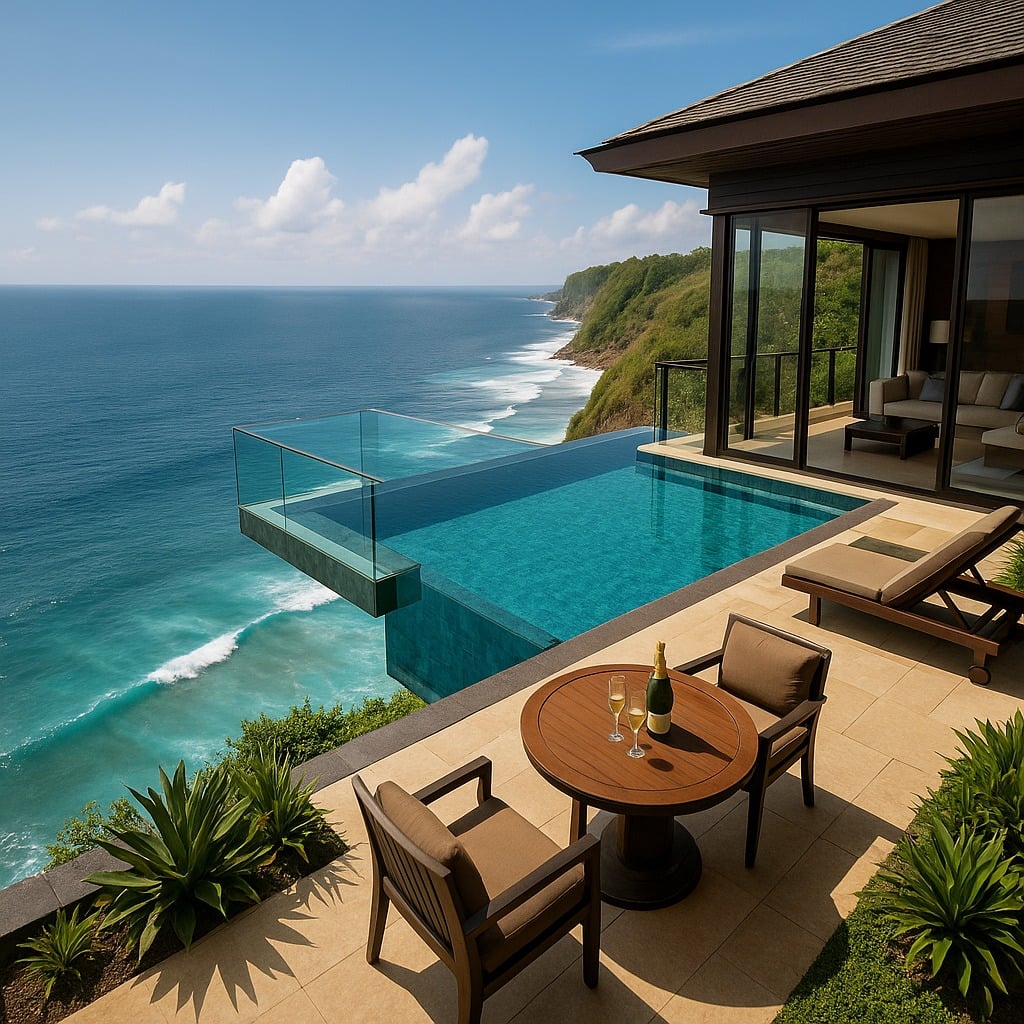
Tented sanctuary on the park’s edge
Aman-i-Khas is built as a circle of elegant Mughal-inspired tents, each a serene suite with soaring ceilings, creamy textiles, and handcrafted details in wood and stone. Inside, separate living, sleeping, and bathing areas create the feel of a small residence. Daybeds invite afternoon reading, a freestanding tub promises a slow soak after dusty drives, and a private terrace opens to stillness—just birdsong and the occasional rustle from the grasslands. Minimalist design sensibilities keep the focus on space, light, and comfort.
Wildlife encounters with expert naturalists
Ranthambore is one of India’s most storied tiger reserves, and the camp’s naturalists are the kind of quiet pros who read the forest like a book—fresh pugmarks on a sandy track, alarm calls from sambar deer, a flick of striped tail in the brush. Twice-daily shared or private jeep safaris move through different zones of the park, passing ancient ruins and lakes where crocodiles sun themselves. Tiger sightings are never guaranteed, but the thrill lies in the search: peacocks flashing their colors, owls blinking from banyan hollows, and the golden light that makes every frame feel cinematic.
Wellness between game drives
Between adventures, the camp slows to a whisper. The spa tent offers Ayurvedic therapies, marma point massages, and herbal steam to ease travel-weary muscles. Morning yoga can be arranged on a quiet lawn; meditation at dusk feels especially grounding when the forest hum softens with the cooling air. There’s a serene pool for lazy laps, shaded daybeds for mid-day naps, and a small library with field guides and photography books for those who love to learn while they rest.
Cuisine by firelight
Dining at Aman-i-Khas is sensorial and sincere. Much of the produce comes from the camp’s organic kitchen garden, with menus shifting to reflect the season and your preferences. Expect fragrant Rajasthani thalis, smoky vegetables cooked over open flame, and delicate breads inflated on hot griddles. Breakfasts after morning safari are generous and unhurried; by night, lanterns and a crackling fire set the mood for a tasting journey under the stars. Special dinners—perhaps a private set-up in a hidden corner of the grounds—can be curated for anniversaries or simply because you feel like celebrating the day’s sightings.
Tailored service, quietly delivered
Part of the magic here is how effortlessly everything is handled. Your day might include a photography-focused drive, a picnic by an ancient step-well, or a gentle village walk to meet local artisans. The team is attentive without fuss, anticipating needs and shaping experiences around your pace. Whether you’re a first-time safari guest or a returning wildlife enthusiast, the camp adjusts to you.
Q&A: Plan your perfect stay
• What’s the best time to visit?
October to April offers comfortable weather and excellent birdlife. Late April to June can be very hot but often yields strong big-cat sightings near water sources. The park typically closes during the monsoon (approximately July–September), so always check seasonal dates before you plan.
• How many nights should I book?
Three nights is the sweet spot—enough for four or five drives, plus time to enjoy the spa, pool, and a candlelit dinner or two. Serious wildlife photographers may want four or five nights to explore multiple zones.
• Is it suitable for families?
Yes. Private vehicles can be arranged, mealtimes are flexible, and junior “ranger” activities can be tailored to curious minds. The gentle camp routine—early starts, afternoon rest, early dinner—works well for multigenerational groups.
• What should I pack?
Neutral layers, a light jacket for cool mornings (especially Nov–Feb), sun hat, sunglasses, and comfortable closed shoes. Bring binoculars and a camera with a zoom lens; dust covers are a plus. Avoid bright colors for drives.
• Are there alternative hotels to combine with or consider?
For other luxury stays near Ranthambore, look to The Oberoi Vanyavilas Wildlife Resort (lush grounds and classic polish), SUJÁN Sher Bagh (heritage safari style with craft details), or Six Senses Fort Barwara (a restored fort pairing wellness with history). For a broader Rajasthan circuit, add Amanbagh in Alwar for architecture and countryside explorations en route to Jaipur.
Conclusion: Boutique calm, wild heart
Aman-i-Khas distills the Indian safari into a boutique experience where space, privacy, and intuitive service frame every encounter with the wild. It’s not about doing more; it’s about feeling more—hearing the forest wake at dawn, tasting smoke-kissed spices in the evening air, and slipping into sleep under canvas as the night choruses begin. Stay here and you don’t merely visit Ranthambore—you inhabit its quiet edges, with a front-row seat to nature’s most exclusive theater.